
Our Process
Looking at the Whole Business,
Not Just the Immediate Problem
Looking at the Whole Business, Not Just the Immediate Problem
One of the most common challenges organizations face is fragmentation.
Different departments may be working toward the same business objectives, but their systems, procedures, and priorities aren't always aligned.
When these gaps exist, businesses can experience duplicated efforts, unnecessary expenses, security vulnerabilities, and missed opportunities.
Our integrated approach focuses on understanding how these different functions interact and determining where improvements will create the greatest value.
How our services work together
Business Strategy
Goals, planning and decisions
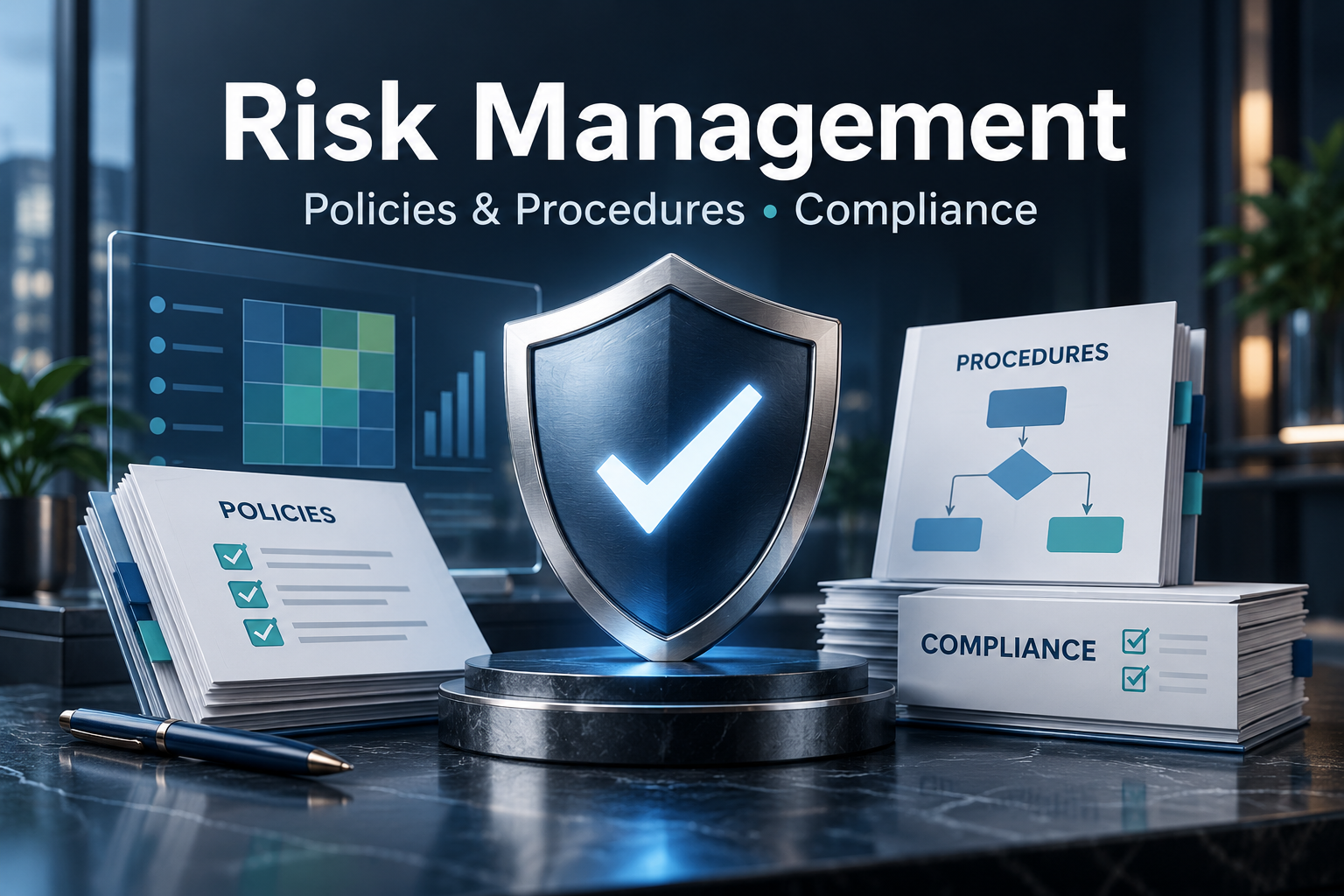
Risk Management
Exposure, controls and continuity
Technology
Systems, security and data
Operations
Processes, people and resources
Financial Solutions
Cash flow and project readiness
Marketing
Brand visibility and engagement
One Coordinated Business Strategy
Connected decisions, practical implementation, measurable priorities
An example of our integrated approach
Imagine a professional services company that is growing quickly but struggling with productivity and inconsistent customer follow-up.
A traditional consultant might recommend hiring more employees. A technology provider might recommend a new CRM. A marketing agency might suggest additional advertising.
Each recommendation could have value, but none necessarily addresses the complete situation.
We would first examine how customer information enters the business, how employees manage inquiries, which systems are being used, and whether current procedures support the organization's workload.
The outcome might involve refining workflows, improving CRM adoption, strengthening data security, training employees, and then developing a marketing strategy aligned with the organization's capacity.
By addressing the connected issues, the business can make better use of its existing resources before committing to unnecessary expansion.